


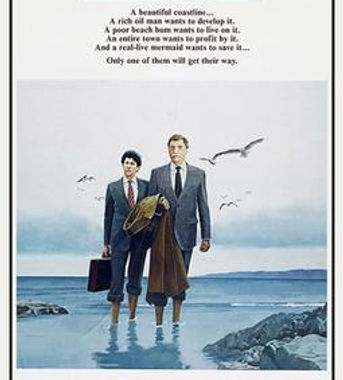
“Is there anything you don’t like?”
“Plenty. But it’s not worth dwelling on.”
synopsis
An American oil executive is sent to a small Scottish coastal village to buy the town for a refinery project—only to discover that the locals, the landscape, and the silence have ideas of their own.

pairs well with ...
mini-review
This is a movie about modernity gently losing an argument. Local Hero resists villains, speeches, and easy satire, opting instead for wit, warmth, and observation. It’s funny without punchlines, critical without cruelty, and sentimental without manipulation. The film’s great trick is making you realize—almost too late—that the “outsider” has changed more than the village ever could.
Coastal air, reflective moods, understated humor, and the suspicion that progress isn’t always progress.
Absurdist's Corner
A global corporation armed with money, contracts, and ambition is quietly outmaneuvered by stargazing, phone calls that never connect, and people who simply refuse to hurry. Capitalism arrives fully equipped—and leaves slightly confused.
fun facts
Directed by Bill Forsyth, the film was shot largely on location in the Scottish Highlands, giving it that authentic windswept charm that almost becomes a character itself.
Burt Lancaster reportedly loved the script so much he took the role for scale — rare for a star of his stature at the time.
The haunting score by Mark Knopfler (of Dire Straits) became a cult favorite and is often cited as one of the film’s secret weapons.
The iconic red phone booth by the sea wasn’t just picturesque — it symbolized the absurd intrusion of global capitalism into a tiny village.